
3 Practical Tips For Getting Your Finances Back on Track
A staggering 7.2 million Australians are said to be starting the New Year with a Christmas debt hangover. According to research, one in four Aussies could take up until May to pay back their Christmas debt! If your big Christmas blow-out hit hard in January, it’s time to get your finances back on track. Here’s how to do that:
- Kick your eating-out habit
Those meals out once or twice a week can quickly add up, literally eating into a sizeable chunk of your earnings. Instead, start planning and cooking your meals to save money. As with any lifestyle change though, the key to lasting success is to take baby steps.If you usually buy lunch, try batch cooking to save time and freeze portions for lunches or dinners throughout the week. Pack your lunches the night before to save time in the morning and plan your meals a week ahead and shop according to a list so you won’t be stuck in missing ingredients or be tempted to eat out.Eating at home doesn’t have to be overwhelming. Start simple and build on that. As you get used to the routine of cooking at home more often, you can surprise your family (and yourself) with new and more exciting recipes.2. Try doing a “no-spend” month
Understanding the difference between wants and needs is a powerful way to get your finances back on track. It’s about recognizing how cutting back on something can have a big impact on your money goals – like paying off your credit card or saving for a holiday.Try having a no-spend month where you commit to only spending money on the essential everyday bills and necessities and avoid spending on anything else. It’s a great way to cut back on overspending in certain areas – like blowing your budget on shoes, eating out every week, or buying random items you don’t really need.No-spend challenges can be beneficial in many ways. They can:
• Help change your bad spending habits.
• Stop impulse spending.
• Help you use items you already have.
• Motivate you to keep saving.
• Make you aware of spending problems you may have. - Plan your budget
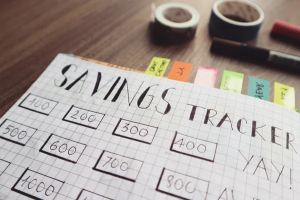
Budgeting is one of the best ways to manage your spending, helping you to save and make the most of the money you have. Your budget is the plan to help you prioritize what you spend your money on, helping you focus on the things that are most important to you. If you haven’t already done so, set a budget in place to help you track your spending and savings. You can use a simple Excel document or a budget tracker like this one.However, if you plan to track your finances, commit to making your budget a priority. Making these small changes in your daily habits can help you get your finances back on track.If you need financial advice talk to our team today. Simply complete this form and our broker will be in touch.